Author
Leon Cheng
米国を拠点とするパートナーで、北米・アジアにおけるバイオテクノロジー及びヘルスケア領域の業務を統括。多国籍企業や中小企業に対し、戦略策定、M&A、プロセス改善・導入、サプライチェーンコンサルティングなどの豊富な経験を有する。
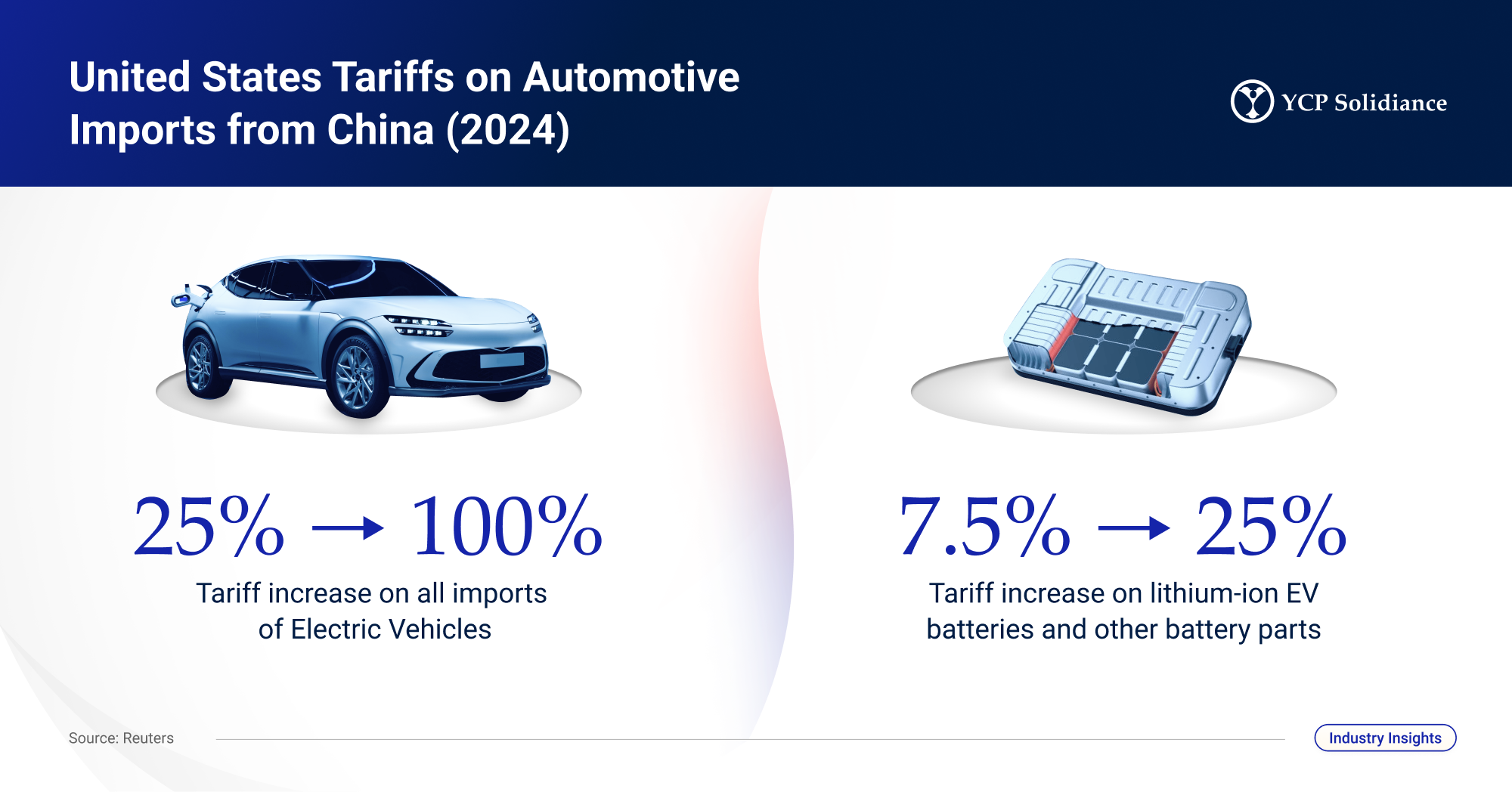
近年の地政学的・経済的な動向を踏まえ、米国政府は中国から輸入される電気自動車(EV)に対して大幅な関税引き上げを発表しました。Biden政権は、現行25%の関税を4倍となる100%に引き上げる方針です。この措置は、補助金を受けた中国製EVによる競争圧力から、米国内の自動車産業や労働者を守ることを目的としています。一方で、この決定はグローバルな自動車サプライチェーンに新たな複雑性をもたらしており、企業はリスクを軽減し、レジリエンスを確保するために、中国以外への分散戦略を検討する必要性が高まっています。
今回の関税引き上げは、貿易不均衡の是正や中国製造業への依存度低減を目指す、より広範な戦略の一環です。米国政府は、国内生産能力の強化と、Mexico、Vietnam、Thailandなどの地域における代替サプライチェーンの構築に重点を置いています。この動きは、規制上の圧力、人件費の変化、サプライチェーンのレジリエンス、地政学的な安定性など、複数の要因によって後押しされています。
YCP SolidianceのPartnerであり、北米およびアジア太平洋地域の両オフィスで活動するLeon Chengに、中国における自動車サプライチェーンの分散が、業界のグローバルな構造にどのような影響をもたらす可能性があるかについて見解を聞きました。Leonは、自動車・モビリティ領域のプレーヤーに対する強固な戦略策定において12年以上の豊富な経験を有しており、OEMクライアント向けのPMO支援、新型EVモデルのローンチ、アジアの自動車アフターマーケットにおけるGo-to-Marketアプローチの策定などを手がけてきました。今回の動向について、成長ドライバー、市場参入における障壁、そして今後数年間で各プレーヤーがどのように適応していくべきかなど、複雑な市場ダイナミクスに関する見解を共有しました。
中国がアジアをはじめとする各地域の自動車産業において重要な役割を担っていることを踏まえると、中国におけるサプライチェーンの分散は、グローバルな自動車業界にどのような影響をもたらすのでしょうか。また、自動車関連プレーヤーには今後どのような影響があるのでしょうか。
このような動きは、自動車業界に確実に影響を及ぼし、その影響はアジアだけでなく世界全体において、マクロとミクロの両面で表れると考えられます。
マクロの観点では、中国のような主要経済国からサプライチェーンを分散することで、関税や通商政策の変化に伴い、オペレーションの複雑性が高まり、関連コストも上昇する可能性があります。例えば、米国(US)が中国製品に対して関税を課した際には、自動車を含む様々な業界に影響が及びました。その結果、輸入される自動車部品のコスト上昇が、消費者向け価格の上昇につながる可能性があります。
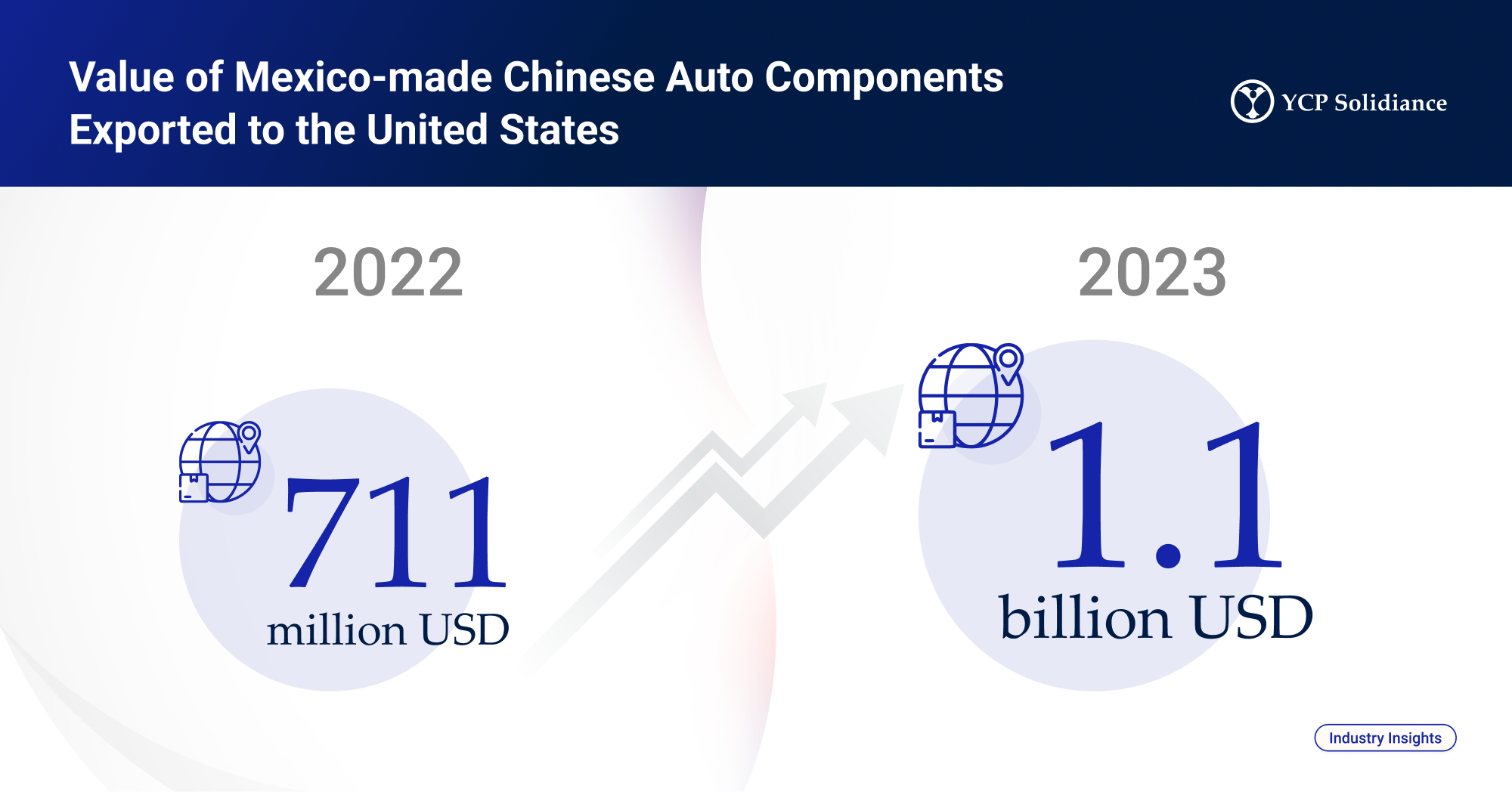
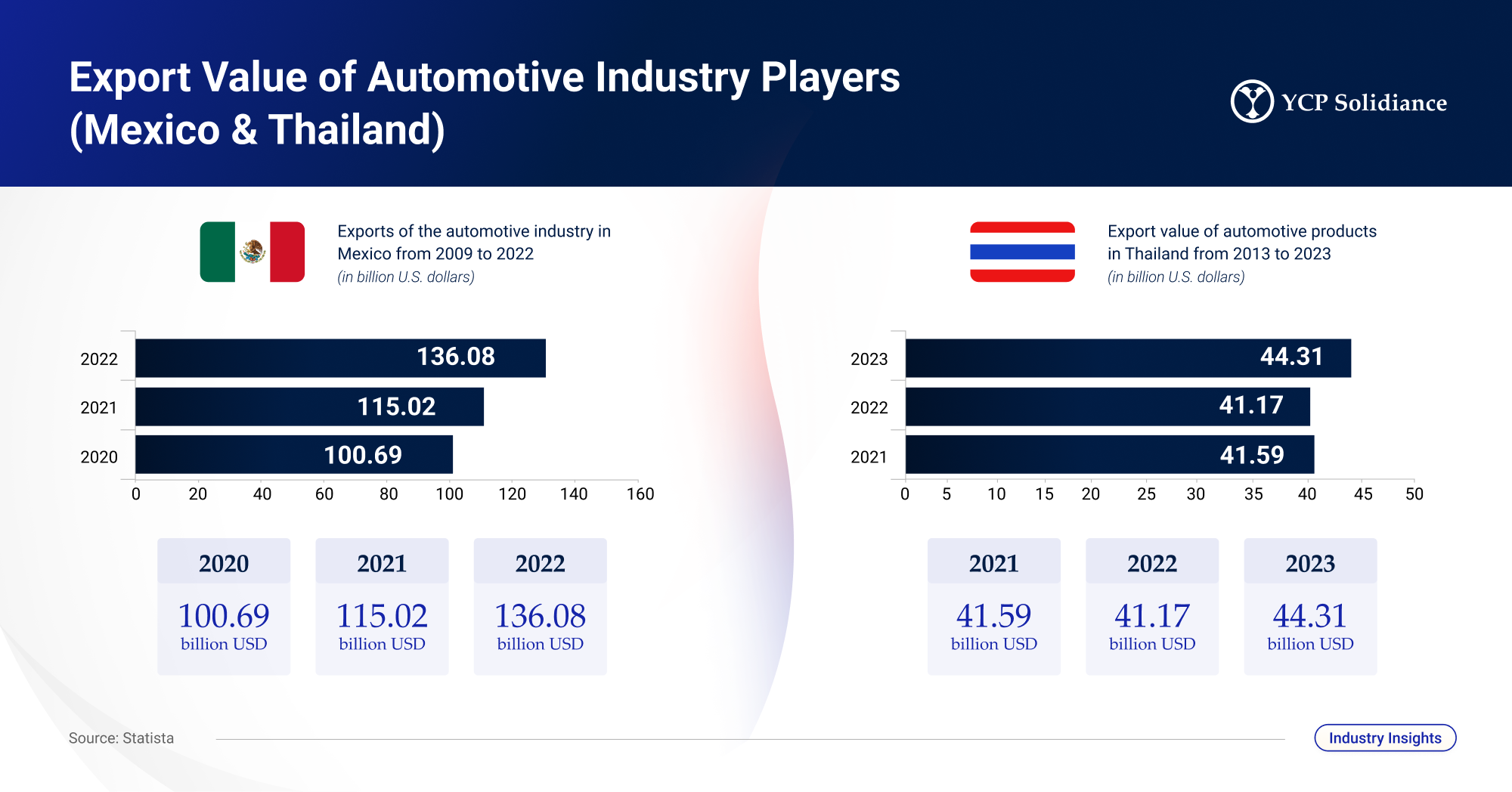
こうした状況を受け、自動車関連プレーヤーは、地政学的緊張やサプライチェーンの脆弱性に関連するリスクを軽減するため、サプライチェーンの分散に向けて戦略的に舵を切り始めています。多くのテクノロジー企業や自動車関連企業は、貿易摩擦や制裁措置に備えるため、中国への依存度を引き下げ、国内生産やMexico、Vietnam、Thailandといった新興市場へのシフトを進めています。例えば、Canadaおよび米国との既存の自由貿易地域(FTZ)協定を背景にMexicoへサプライチェーン機能を移転する動きや、地理的な近接性の観点からVietnamやThailandを選択肢とする動きは、業界にとって有望な機会をもたらす可能性があります。
一方、ミクロレベルでの影響は、主にサプライヤーとの関係再構築やローカル市場への投資に表れると考えられます。
中国以外へのサプライチェーン分散の一環として、自動車OEMやTier 1・Tier 2サプライヤーは、代替地域における新たなサプライヤーネットワークの構築に取り組んでいます。その過程では、規制変更への対応や物流面での複雑性を乗り越える必要があります。例えば、サプライチェーンをMexicoへ移転する自動車メーカーは、不慣れな、あるいは異なる労働法や通商協定を含む、新たな規制環境に対応する必要があります。こうした取り組みを強化するため、企業は低コストの活用や新たな顧客基盤への接近を目的として、新興市場への投資を進めています。例えばEVメーカーは、政府補助金やインフラ整備など、EVに対する支援政策が整っているThailandのような国で生産拠点を構築しています。
全体として、自動車領域における中国からの分散は、グローバルプレーヤーを取り巻く現在の市場ダイナミクスを変化させ、関係する各プレーヤーの戦略や事業運営のあり方を根本的に変えていくことが明らかです。他の業界でも中国におけるサプライチェーンの分散が進む場合、自動車業界で見られるような戦略を各プレーヤーが再現・展開しようとするなかで、同様の影響が生じる可能性があります。
これまで、自動車サプライチェーンがMexico、Vietnam、Thailandへ移転していることや、中国に代わる選択肢としてこれらの国が選ばれる主な要因(FTZおよび地理的近接性)についてお話しいただきました。その他に、強調しておきたい要因はありますか。
自動車関連プレーヤーがサプライチェーンの移転を進め、中国以外の選択肢を模索するなかで、業界の成長を後押し、あるいは阻害する要因として、以下のような複数の要素が重要な役割を果たすと考えられます。
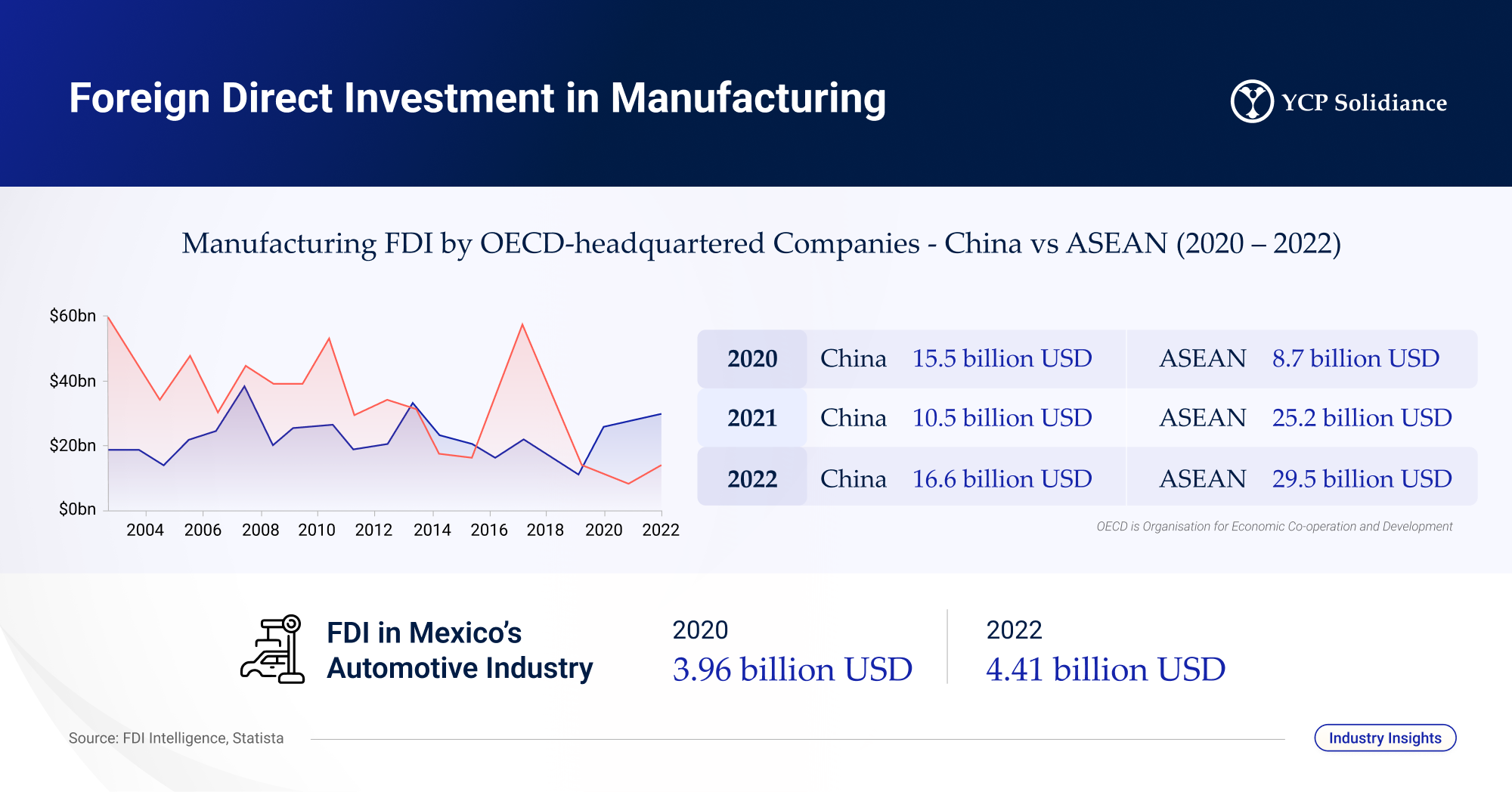
規制フレームワーク:税制優遇や補助金など、有利な政策を提供する国は、自動車サプライチェーン関連の投資を呼び込みやすくなります。適切な例として、Vietnamでは法人税率の引き下げや輸入関税の免除など、外国投資家向けの様々なインセンティブが提供されており、自動車関連企業にとって魅力的な投資先となっています。
労働コストの効率性:自動車業界は、国によって大きく異なる労働コストの変化に敏感です。中国で賃金が上昇したことを受け、Appleのような企業は、生産の一部をVietnamやIndiaなど、よりコストの低い国へ移転することを検討してきました。自動車業界においても、こうしたトレンドは、企業がChinaよりも労働コストの競争力が高いMexicoなどの国へ製造拠点を分散する動きとして表れています。
サプライチェーンの強靭性:COVID-19のパンデミックは、グローバルなショックに耐えられるレジリエントなサプライチェーンを構築する重要性を浮き彫りにしました。国際的な製造ハブであるChinaがパンデミック初期に大きな影響を受けた際に生じたような混乱を避けるため、企業はサプライヤーベースの分散をますます重視するようになっています。VietnamやThailandなどの国へのシフトは、単一障害点に左右されにくい、より強靭なサプライネットワークを構築したいという意向によっても後押しされています。
技術進歩:高度な製造技術と充実したインフラを備えた国は、自動車サプライチェーンを呼び込むことができます。例えば、Thailandの東部経済回廊(EEC)構想は、自動車分野における先端技術の発展を目指しており、EV生産に向けたインセンティブや最先端の施設を提供しています。これにより、ThailandはEV領域でのイノベーションや生産能力の拡大を目指す自動車関連企業にとって、魅力的な進出先となっています。
地政学的安定性:企業は、地政学的な不安定性や予測しにくい政策環境に伴うリスクを最小限に抑えようとします。例えばMexicoは、緊張や紛争を抱える一部のLatin America諸国と比べて、比較的安定した政治・経済環境を提供しています。この安定性に加え、ビジネスや外国投資に有利な政策環境が整っていることから、Mexicoは自動車サプライチェーンのハブとして魅力的な国となっています。
自動車関連プレーヤーは、こうした市場ドライバーを活用し、成長機会へとつなげていくことが求められます。一方で、中国における自動車サプライチェーンの分散に伴って生じる新たな課題を理解しておくことも重要です。主な課題としては、複雑なサプライネットワークの管理や、現地インフラ・人材の育成が挙げられます。完成車メーカー(OEM)は、自社施設に近接したサプライヤー体制を必要とするため、Tier 1・Tier 2サプライヤーをはじめ、サプライチェーン上の各種サプライヤーを巻き込んだ、緊密かつ複雑なサプライチェーンが形成されます。例えば、生産を新たな国へ移転するには、長期的かつ複雑なプロセスが必要になります。各プレーヤーは、事業運営を支えるために必要な施設やインフラを適切に整備するとともに、技術的なノウハウやスキルを現地人材に育成・移転していく必要があります。
中国以外の地域では、自動車関連プレーヤーが活用できるインセンティブが存在するものの、こうした課題は業界の成功を大きく妨げる可能性があります。新規参入プレーヤー、既存プレーヤーの双方にとって、これらの成長ドライバーと障壁を理解することは重要です。それにより、中国からのサプライチェーン分散を成功に導くために必要な知見を得ることができます。
専門家としての見解をお聞かせください。中国における自動車サプライチェーンの分散に向けた各プレーヤーの取り組みは、効果を上げていると考えますか。効果が十分でない場合、各プレーヤーはどのように適応していくべきでしょうか。
こうした取り組みの成否を適切に判断するためには、中国から分散を進めるプレーヤーの出自に注目することが重要です。事業を移転している企業が、民間企業であれ中国政府の支援を受けている企業であれ、依然として中国系プレーヤーである場合、その分散の取り組みは本当に成功していると言えるのでしょうか。
最終的には、他国へ事業を移転した中国系プレーヤーの数を正確に把握することは難しいかもしれません。とはいえ、政策立案者や民間企業は、サプライチェーン分散を強化するために複数の戦略を展開できます。
From a policymaker’s perspective, on top of tariff and trade restrictions, it is essential to stimulate and incentivize domestic manufacturing through subsidies, tax breaks, and grants, which will help encourage automotive players to invest in local manufacturing capabilities. Further investments should also be dedicated to enhancing research and development of infrastructure and innovation ecosystems, as it can make domestic locations more attractive for high-tech automotive components manufacturing, such as EV batteries and semiconductors. In addition to these investments, private sector players should leverage strengthened trade alliances, where governments should form or enhance trade agreements with alternative manufacturing hubs that can facilitate easier market access and incentivize companies to diversify their supply chains away from over-reliance on a single country like China.
Meanwhile, automotive players' primary goal should be to create global resilient and robust supply chains within the industry. This can be achieved by distributing investment across different aspects of the value chain, such as:
Implementing Supplier Base Diversification: Instead of relying on suppliers from a single country or region, automotive companies can mitigate risks by sourcing materials and components from various countries. For example: Increasing the number of countries from which critical components are sourced to avoid bottlenecks when one region faces disruptions.
Adopting Innovative Materials & Technologies: Innovation in materials science and manufacturing technologies can reduce dependency on specific countries for rare or critical materials (e.g., alternative battery chemistries less reliant on rare earth elements predominantly sourced from China.)
Enhancing Supply Chain Transparency: Companies could invest in technologies like blockchain and IoT to enhance transparency and agility in their supply chains, allowing for quicker adaptation to disruptions.
Strategic Stockpiling: Building strategic reserves of critical components can help buffer against short-term disruptions in the supply chain.
Proactively Engage Chinese Suppliers: Automotive companies can proactively diversify their supply chains by assisting their current Chinese suppliers in establishing a supply chain in overseas markets either through a joint venture or licensing manufacturing. This will help them have better control over their supply chains while benefiting from the advanced manufacturing capabilities of the Chinese suppliers.
Though these strategies can work and unlock beneficial growth opportunities, I do not think any policy or strategy can be perfect, especially in areas as complex as the automotive supply chains. Diversifying from China, particularly for the automotive industry, is a nuanced issue that cannot be approached with a one-size-fits-all strategy. The complexity and interconnectedness of global supply chains, especially those entrenched in the automotive sector, make immediate and perfect solutions improbable. Given this context, the effectiveness of diversification strategies needs to be assessed continuously, accounting for the dynamic nature of global trade, technological advancements, and geopolitical shifts.
While diversifying from China presents considerable challenges, especially in the automotive industry, it opens avenues for reflection on global supply chain dynamics. For sustainable growth and to build a more resilient supply chain ecosystem, companies should focus on diversifying their supplier networks, investing in supply chain visibility, and leveraging cutting-edge materials and technologies. The effectiveness of these efforts will depend on continuous evaluation and the willingness to adapt strategies in response to evolving global trends and challenges.
How can YCP help stakeholders (investors, private players, etc.) in the global automotive industry?
Strategic Planning and Market Analysis – YCP utilizes its deep expertise in market analysis and strategic planning to assist clients through the intricacies of supply chain adjustments. This involves a comprehensive examination of factors such as labor costs, regulatory landscapes, and logistics.
For a client considering a partial production shift to alternative regions like SEA, India, and Mexico, YCP could conduct a detailed feasibility study. This study would delve into the target region's labor cost structures, evaluate the regulatory environment to ensure compliance, and assess logistical frameworks to guarantee efficient production and distribution. The objective would be to offer precise, actionable insights to facilitate the client's decision-making process.
M&A Support - Carving Out China Operations – YCP provides specialized M&A support to companies looking to restructure their operations through divestitures, specifically carving out segments of their business related to China.
For MNC automotive players aiming to divest their Chinese entities/assets, YCP would offer end-to-end advisory services. This includes evaluating the division's financial performance and strategic fit, preparing the business for sale, identifying potential buyers, managing the negotiation process, and post-divest implementation support such as shared services transition. The goal is to ensure a smooth transition that maximizes value for the client while aligning with their global strategy.
Supply Chain Consulting - Assessing and Selecting New Suppliers – In the realm of supply chain consulting, YCP excels in evaluating and establishing a reliable and resilient new supplier base in alternative markets. This service is critical for companies looking to diversify their supplier base away from China and mitigate risks associated with geopolitical tensions and supply chain disruptions.
For a client seeking to broaden its supply chain to include suppliers in countries like Vietnam and Thailand, YCP would conduct a comprehensive assessment of potential suppliers and even manage the new suppliers afterward. This process involves analyzing the suppliers' capabilities, financial stability, compliance with international standards, and the ability to scale operations. YCP's insights would enable the client to make informed decisions, ensuring a resilient and diversified supply chain. Furthermore, YCP’s supply chain division can optimize and manage the newly established supply chain via innovative AI solutions and digital platforms.
Leon Cheng is a Partner at YCP Solidiance with a dual base in the North American and Asia-Pacific offices, leading the firm’s global mobility practice. His 12 years of consulting within the automotive and mobility sector encompass strategy, M&A, process improvement, and supply chain optimization. Leon has directed over 100 projects, driving growth for automotive OEMs, suppliers, and service providers throughout the mobility value chain. He holds a Bachelor’s degree in management from the University of Finance and Economics of Anhui and an MBA from the University of Science and Technology of China.
Special thanks to the Auto Care Association for their contribution to this report.